Animal Habitat Food Activity Characteristics Rabbits - Kelas 08 Smp Bahasa Inggris Siswa 2017 By P E Thea Issuu. When the weather turns cold, rabbits will munch on twigs, buds, bark, conifer needles, and any remaining green plants. The pygmy rabbit's diet becomes more varied during spring and summer. The smallest is the pygmy rabbit (brachylagus idahoensis), at only 20 centimetres in length and 0.4 kilograms in weight, while the largest rabbits grow to 50 centimetres and more than 2 kilograms. Two species of rabbits are native to washington and two others have been introduced to the area. Habitat and diet rabbits like to live in groups, and they can be found in grasslands, forests, meadows, and even deserts!
They should be eating a portion of hay that is at least as big as their body size every day, alongside pellets and fresh vegetables. Rabbit droppings are often similar to hares', depending on the food eaten, but they are distinguished from lamb faeces by the absence of flat facets on the surface. Rabbits are small, furry mammals with long ears, short fluffy tails, and strong, large hind legs. Wild rabbits all share similar physical traits. Sagebrush makes up the bulk of the rabbit's diet.
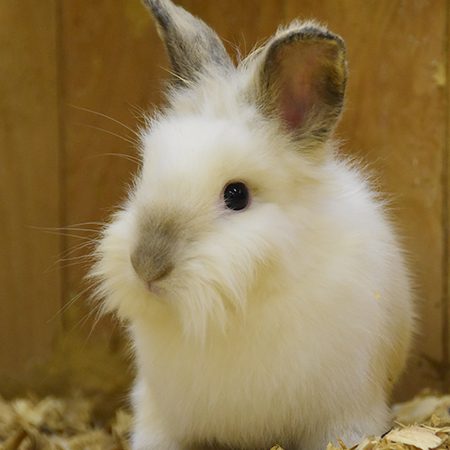
Lionhead Rabbit Cub Creek Science And Animal Camp from cubcreeksciencecamp.com An animal's habitat is its home. It's where it can find all the things it needs to survive: Hay also provides dental benefits as the texture and chewing activity helps wear down your rabbit's continually growing teeth. Wild rabbits all share similar physical traits. This expansive natural landscape had allowed for a dense population of rodents, rabbits, and hares that supported a wide network of larger carnivores. While hares are a lot like rabbits, they are born with fur and grow to be bigger. Rabbits, or bunnies, are small mammals in the family leporidae (along with the hare) of the order lagomorpha (along with the pika). Habitat of the jackrabbit most jackrabbits live in the same types of habitats, and can live in a variety of different ecosystems if they have enough food sources.
Sylvilagus includes 13 wild rabbit species, among them the seven types of cottontail.the european rabbit, which has been introduced on every.
In the wild, they're born helpless in a shallow hole lined with grass and their mamma's fur. Every living species has its own favorite habitat, which it shares with other living creatures. When the weather turns cold, rabbits will munch on twigs, buds, bark, conifer needles, and any remaining green plants. Cat food is not at all safe for rabbits! Rabbits are famous for their ability to reproduce. Animals, plants, and all living things are adapted to life in their natural surroundings. They live in open areas, with little to no trees or large bushes. Sylvilagus includes 13 wild rabbit species, among them the seven types of cottontail.the european rabbit, which has been introduced on every. Some rabbits will nibble the cat's dry food because they imitate others and like the crunchy sound. Rabbits are small, furry mammals with long ears, short fluffy tails, and strong, large hind legs. Hay is high in fiber and essential for digestive health. By comparison, baby rabbits are born naked, without fur. It's where it can find all the things it needs to survive:
Rabbits and hares are most active at dawn and dusk and feed by grazing and browsing. They live in open areas, with little to no trees or large bushes. It's where it can find all the things it needs to survive: Fiber is the most important part of a rabbit's daily diet. Vegetal habitat characteristics and annual dietary selection were.
Rabbit Wikipedia from upload.wikimedia.org The pygmy rabbit is herbivorous, taking in most of its food by grazing. • to review the three components of habitat (food, water, and shelter) • to identify adaptations various animals have to meet their habitat requirements this class corresponds with the following late elementary illinois learning standards: Rabbits, or bunnies, are small mammals in the family leporidae (along with the hare) of the order lagomorpha (along with the pika). An animal's habitat is its home. The 17 most important bunny facts of all time. Their teeth are specifically adapted for gnawing. Nuttall's cottontail, and was introduced in the 1930's. When the weather turns cold, rabbits will munch on twigs, buds, bark, conifer needles, and any remaining green plants.
An animal's habitat is its home.
Pygmy rabbits are herbivores found in the sagebrush ecosystem. Study of an animal's relationship to habitat. They need to be able to stand up fully on their hind legs and stretch out fully when lying down. Wild rabbits all share similar physical traits. During warmer seasons, rabbits will eat weeds, grasses, clover, wildflowers, and flower and vegetable plants. What do animals (mammals, birds, fish, reptiles, amphibians, arthropods) need in order to thrive and adapt in the different habitats?each learning task discusses the topic of grasslands and what animals need to survive in a grassland habitat. Rabbits are ground dwellers that live in environments ranging from desert to tropical forest and wetland. Jackrabbits also have longer hind legs and bigger ears. Oryctolagus cuniculus includes the european rabbit species and its descendants, the world's 305 breeds of domestic rabbit. In winter, the woody shrubs account for as much as 99% of the pygmy rabbit's food intake. We present data on abundance, distribution, activity, and survival in 3 neighboring habitats in southwestern spain differing in refuge and forage availability. Every living species has its own favorite habitat, which it shares with other living creatures. Rabbits can have multiple litters each year, giving birth to up to nine babies, known as kittens, each time.
Larger species grow to 20 inches (50 cm) and more than 10 lbs. The pygmy rabbit is herbivorous, taking in most of its food by grazing. Rabbits, or bunnies, are small mammals in the family leporidae (along with the hare) of the order lagomorpha (along with the pika). Rabbit droppings are often similar to hares', depending on the food eaten, but they are distinguished from lamb faeces by the absence of flat facets on the surface. Hay also provides dental benefits as the texture and chewing activity helps wear down your rabbit's continually growing teeth.
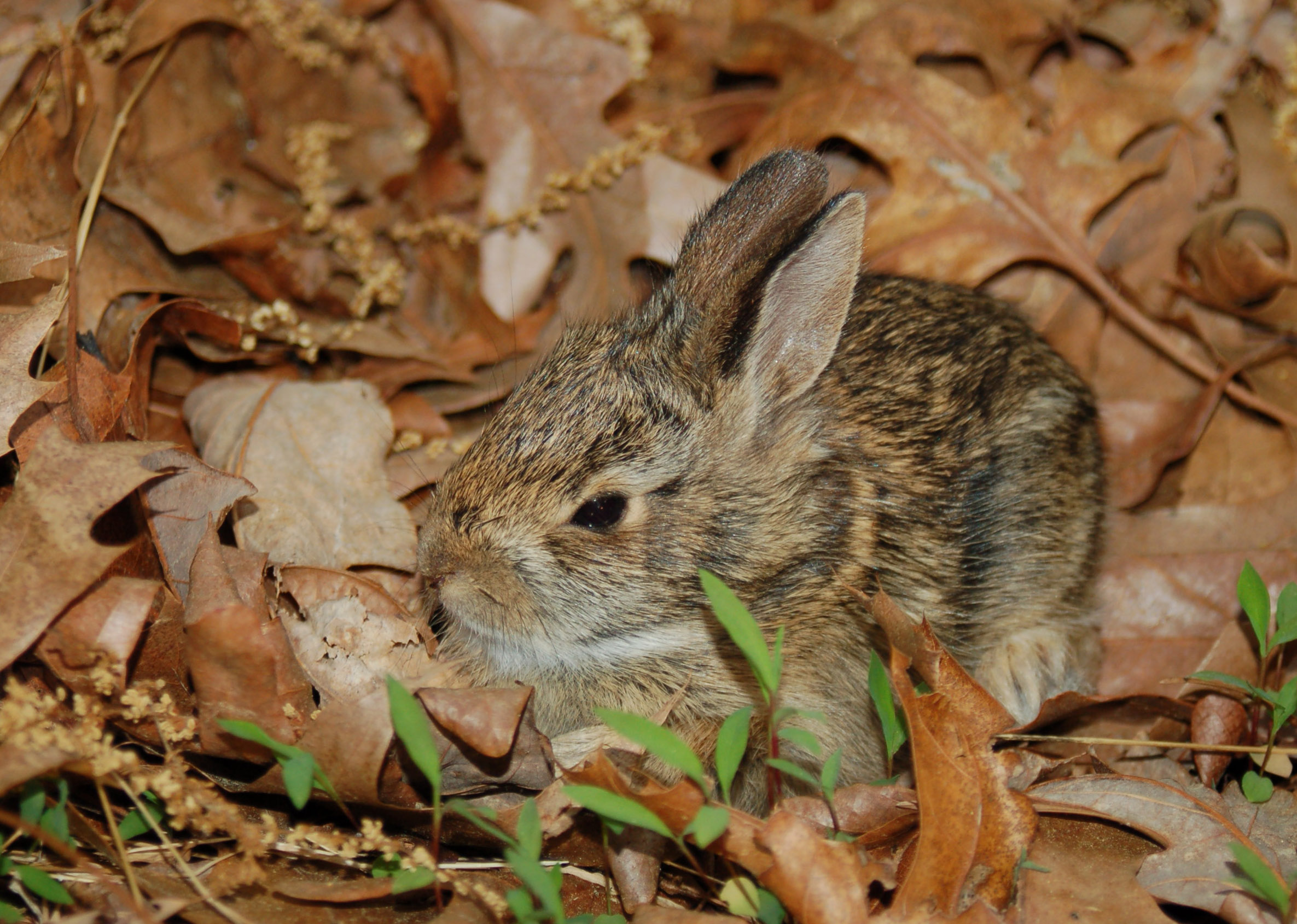
Eastern Cottontail Rabbit from www.ncwildlife.org They need to be able to stand up fully on their hind legs and stretch out fully when lying down. By comparison, baby rabbits are born naked, without fur. Pygmy rabbits are herbivores found in the sagebrush ecosystem. Rabbits can have multiple litters each year, giving birth to up to nine babies, known as kittens, each time. Food eaten depends on availability and preference. They also have 2 peg teeth behind the top incisors. Rabbits are ground dwellers that live in environments ranging from desert to tropical forest and wetland. During warmer seasons, rabbits will eat weeds, grasses, clover, wildflowers, and flower and vegetable plants.
Study of an animal's relationship to habitat.
Small rabbits, such as pygmy rabbits, can be as little as 8 inches (20 centimeters) in length and weigh less than a pound. They can have several litters of four to seven kits a year. Pygmy rabbits are herbivores found in the sagebrush ecosystem. They have 2 pairs of sharp incisors (front teeth), one pair on top and one pair on the bottom. In the wild, they're born helpless in a shallow hole lined with grass and their mamma's fur. Put the food dish out of bunny's reach. Bunnies have lots of babies. Habitat and diet rabbits like to live in groups, and they can be found in grasslands, forests, meadows, and even deserts! Wild rabbits all share similar physical traits. During warmer seasons, rabbits will eat weeds, grasses, clover, wildflowers, and flower and vegetable plants. The smallest is the pygmy rabbit (brachylagus idahoensis), at only 20 centimetres in length and 0.4 kilograms in weight, while the largest rabbits grow to 50 centimetres and more than 2 kilograms. Sylvilagus includes 13 wild rabbit species, among them the seven types of cottontail.the european rabbit, which has been introduced on every. They should be eating a portion of hay that is at least as big as their body size every day, alongside pellets and fresh vegetables.